HUNTING REGION
Hunting in Muntenia & Oltenia
Historic Wallachia — lake systems, reed beds, and stubble fields on one of Europe’s great waterfowl flyways, with the southern Carpathians along its northern edge.
WHERE IT IS
Muntenia & Oltenia on the map
- Muntenia & Oltenia
THE REGION
Wings, water, and long horizons
The south is a different Romania from the Carpathian counties — a wide agricultural plain sloping to the Danube, broken by lake systems, reed beds, and river forests. Winters are milder, the horizons are long, and the sport is about wings, water, and dog work rather than mountain stalking.
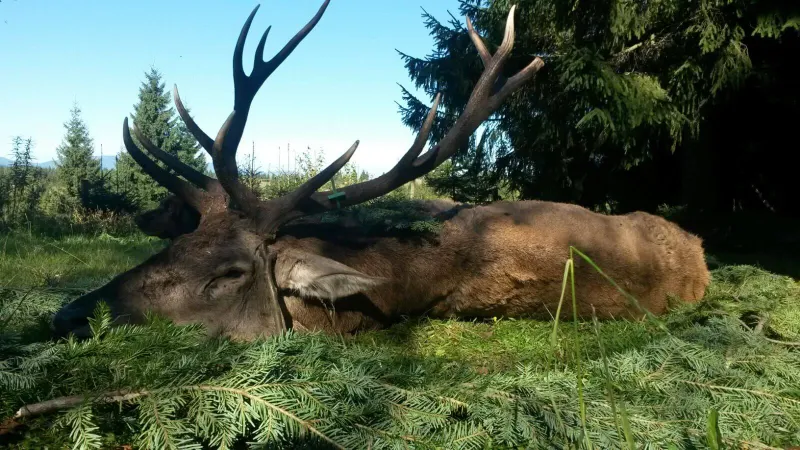
This is where our waterfowl programmes run: duck and geese on the lakes and stubble fields, coot off the reed margins, snipe on the wet meadows — plus pheasant on the field edges. To the north, the plain climbs into the Gorj and Vâlcea foothills, where the southern Carpathians hold red deer and chamois.
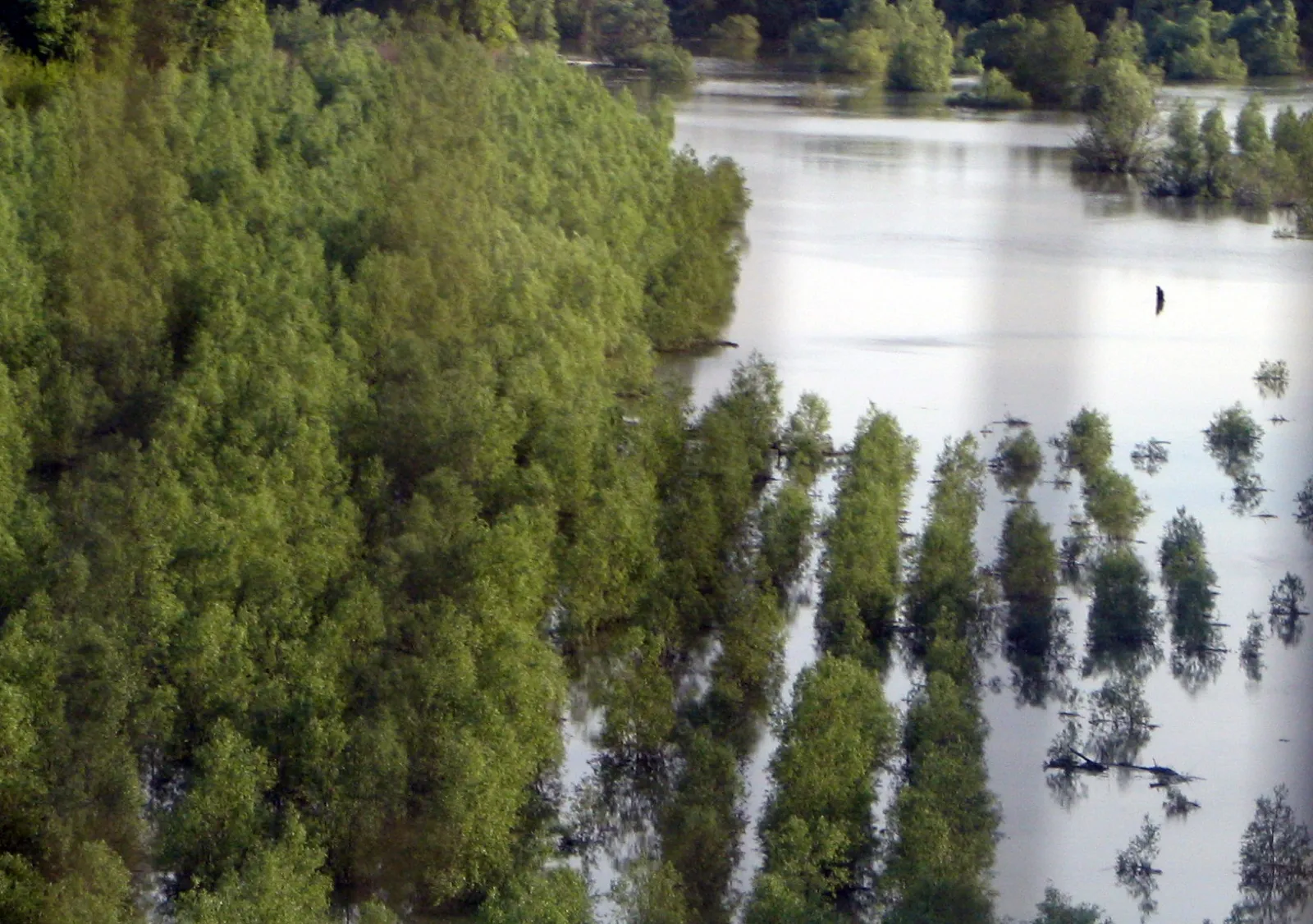 Photo: Bogdan Giușcă · CC BY 2.5 · Wikimedia Commons
HERITAGE
A short hunting history
Southern Romania is historic Wallachia — the plain that fed the medieval principality and its princes’ hunting courts. The Danube floodplain, with its lakes, backwaters, and reed islands, has been waterfowl country for as long as records exist; by the nineteenth century, sportsmen travelled from Vienna and Budapest for the duck and goose flights of the lower Danube.
The twentieth century drained part of the floodplain for agriculture, but the surviving lake systems still sit on one of Europe’s great migration corridors — the flyway that funnels northern waterfowl toward the Black Sea and the Mediterranean each autumn.
Hunting today runs under the national framework (Legea 407/2006), with seasons and quotas set annually.
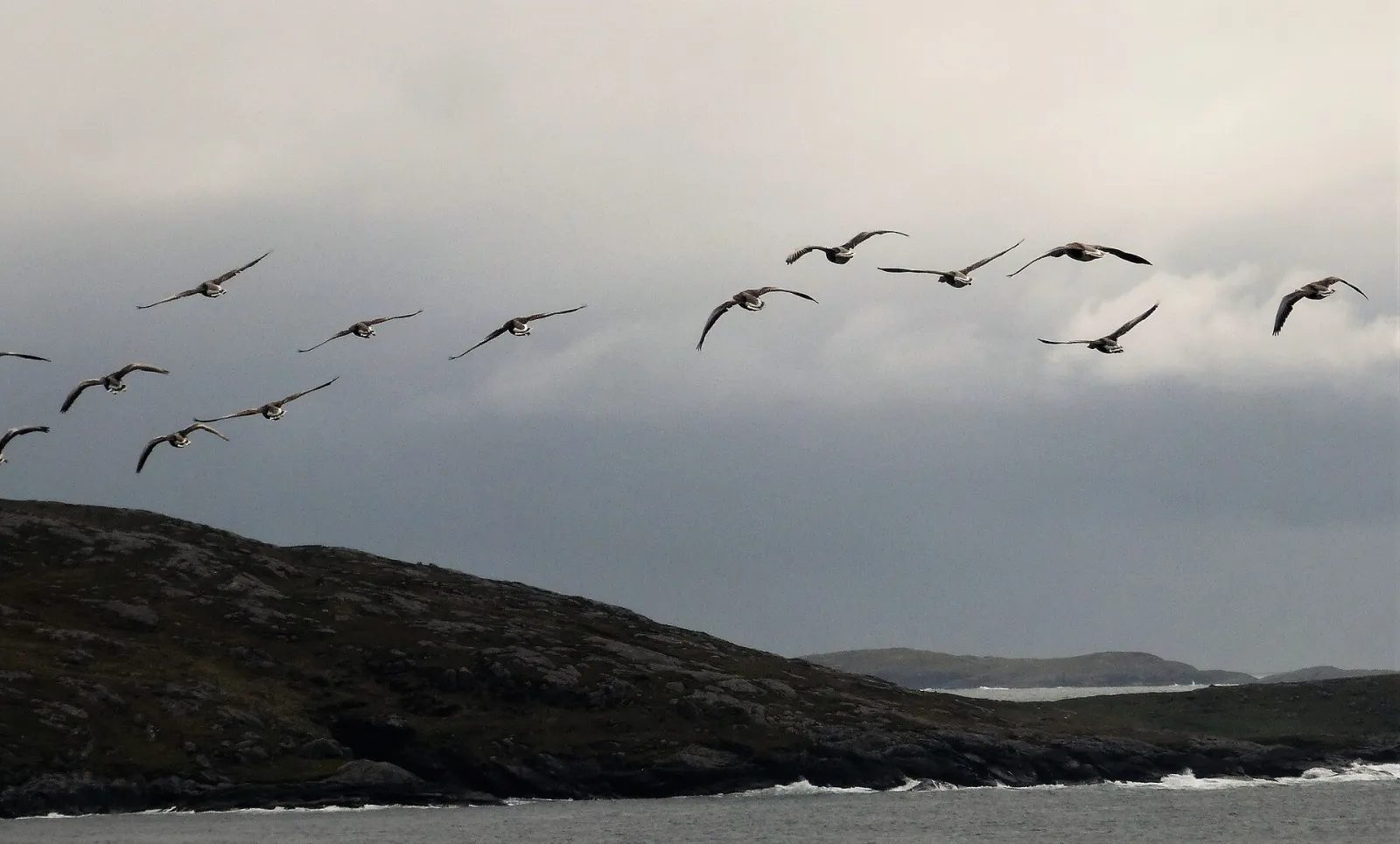 Photo: gailhampshire · CC BY 2.0 · Wikimedia Commons
BEYOND THE HUNT
Must-sees in Southern Romania
Four stops worth adding around your hunting days.
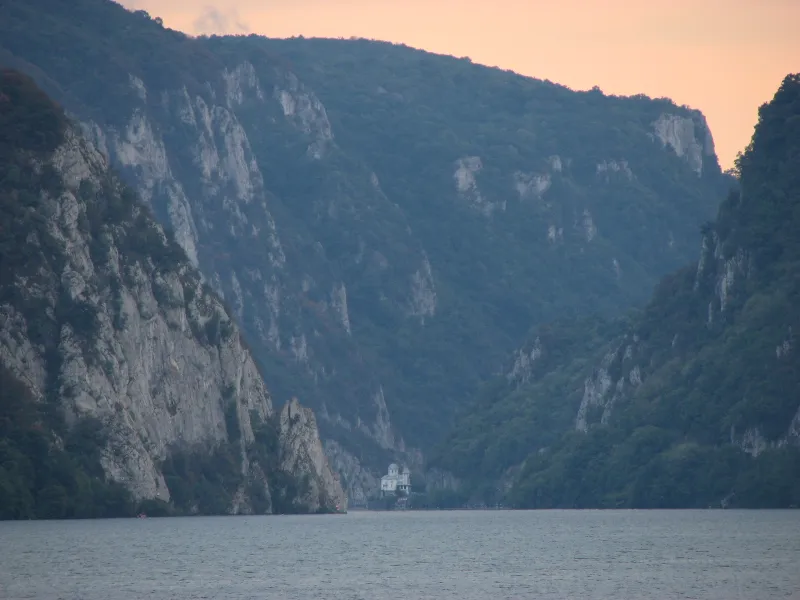 Photo: Cristian Bortes · CC BY 2.0 · Wikimedia Commons
The Danube gorge
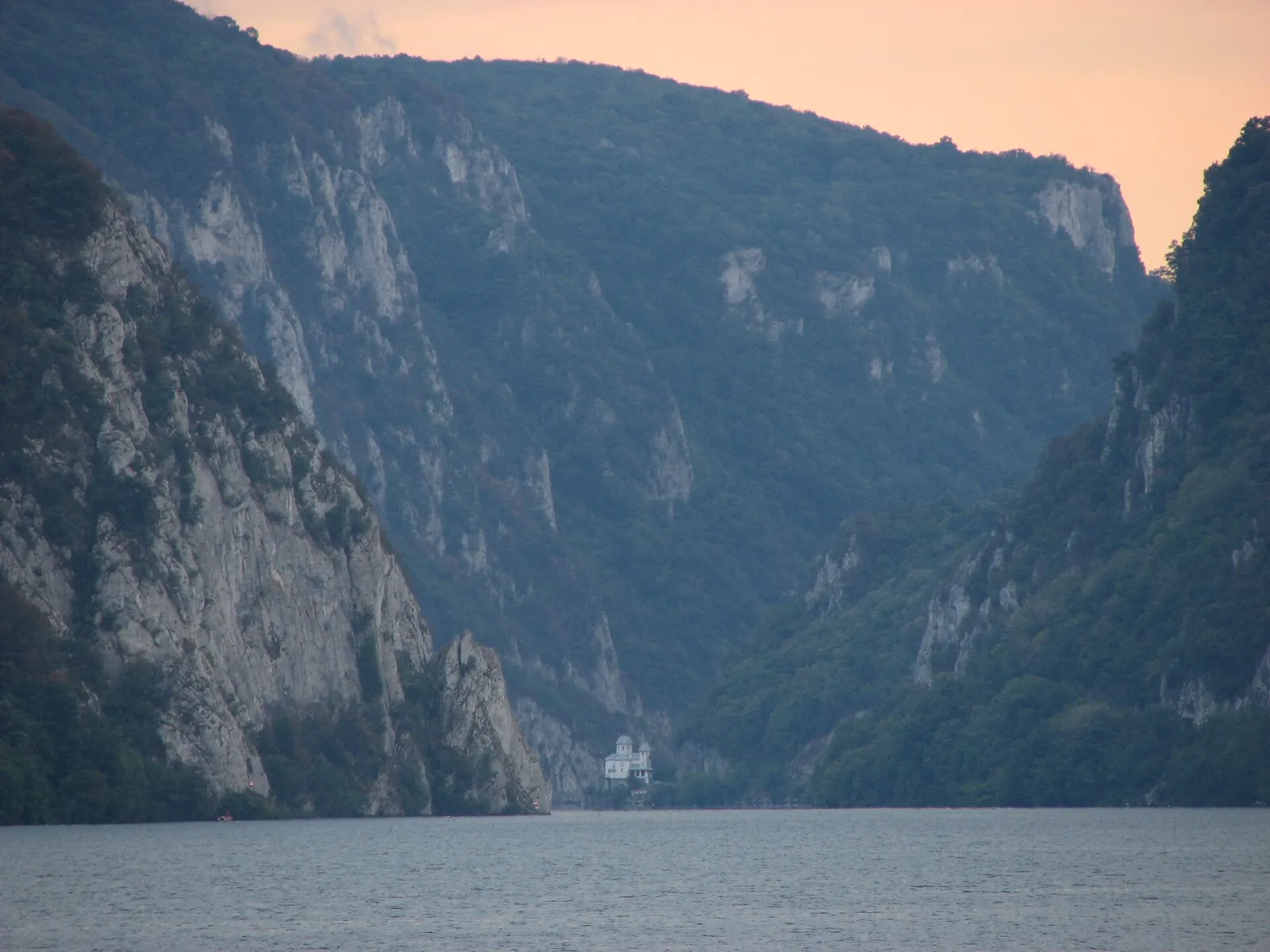
The Iron Gates — where the river cuts through the Carpathians in Europe’s most dramatic gorge.
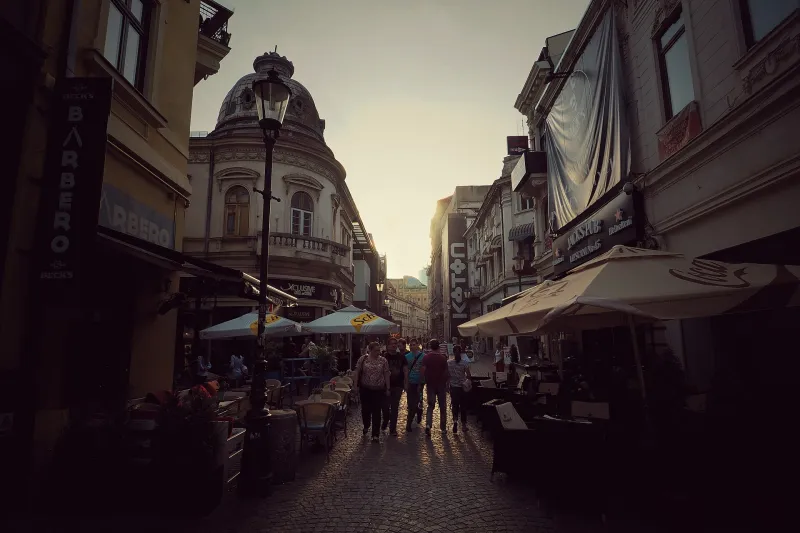 Photo: Ștefan Jurcă · CC BY 2.0 · Wikimedia Commons
Bucharest old town
The capital’s Lipscani quarter — terraces, belle-époque facades, and the best dining in the country.
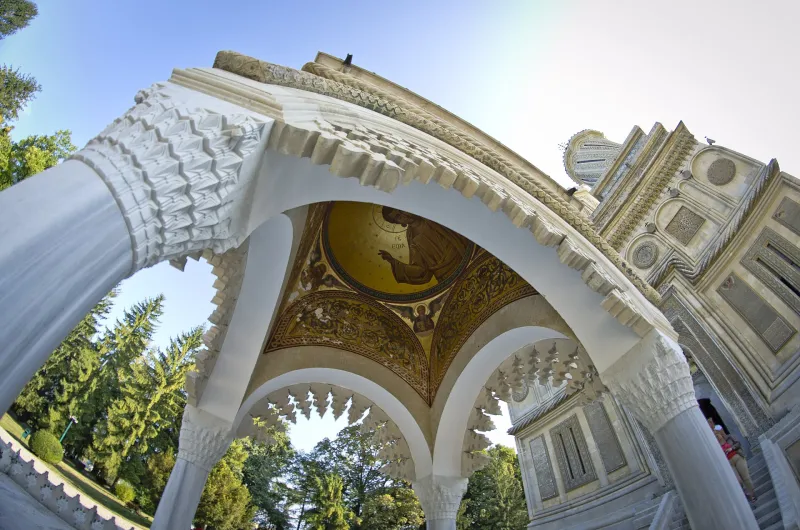 Photo: Diaconu Calin · CC BY-SA 3.0 RO · Wikimedia Commons
Curtea de Argeș
The royal necropolis of Romania — a legend-wrapped monastery in carved stone.
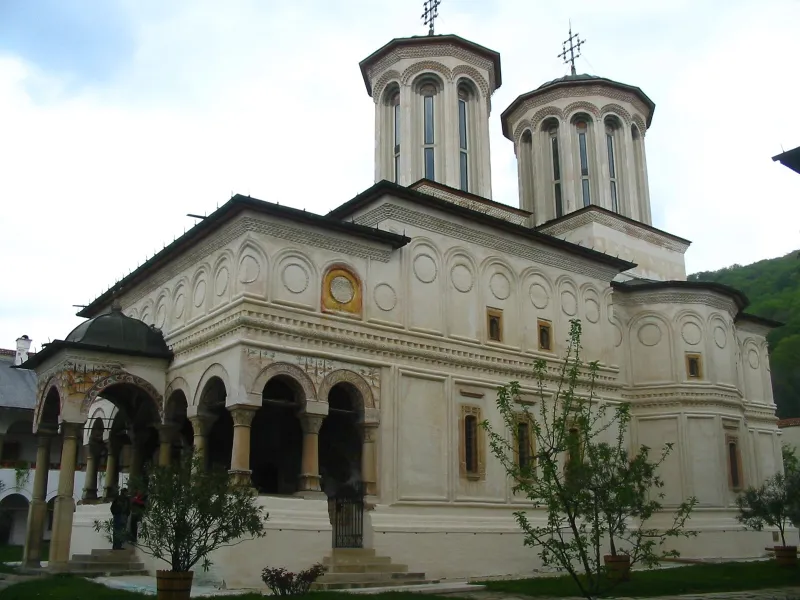 Photo: Cristian Chirita · CC BY-SA 3.0 · Wikimedia Commons
Horezu Monastery
UNESCO-listed Brâncovenesc masterpiece in the Vâlcea foothills, near the famous pottery town.
GAME
What you can hunt here
The species our southern programmes run for.
Hunt in Muntenia & Oltenia
Browse the packages that run in this region and send us your dates — we reply as soon as possible.
FROM THE JOURNAL