
THE SPECIES
Why Carpathian stags grow 10 kg antlers
Scottish stags average three kilos, Central European stags six to eight. The Carpathian arc is where twelve-kilo heads are measured. This is why.
Romania Hunting3 min read
The numbers
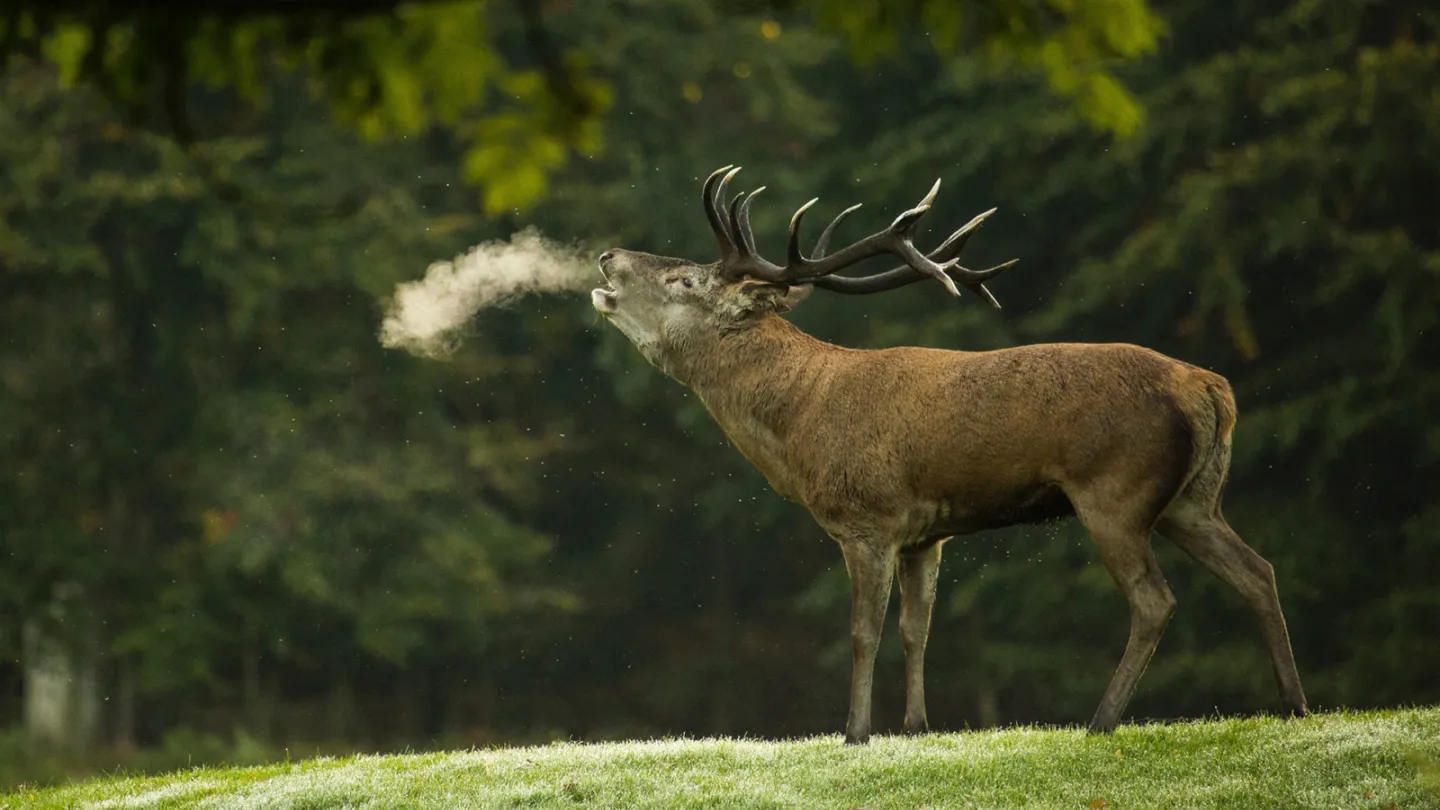
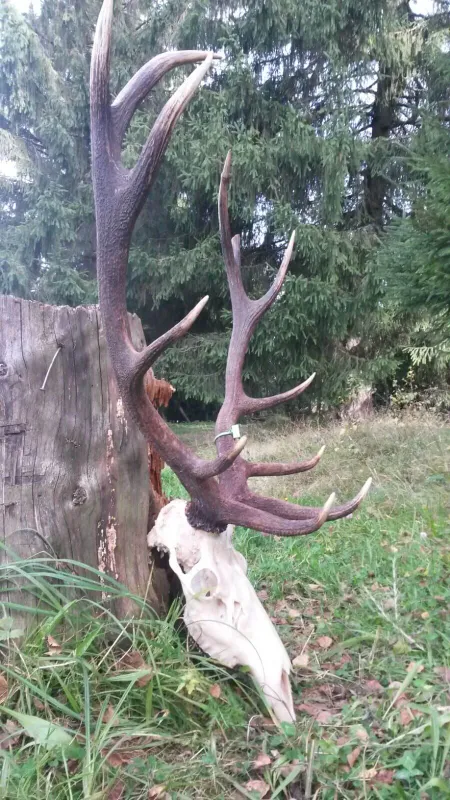
A mature Highland stag carries antlers of 2.5–4 kg. A good Hungarian or Polish forest stag carries 6–8 kg. In the Romanian Carpathians a 10 kg head is the benchmark for a gold medal, 11–12 kg heads are shot every season, and the historic records from the eastern Carpathians exceed 13 kg and 260 CIC points. Same species, Cervus elaphus, three-fold difference in antler mass. Three factors explain it, and they compound.
1. Subspecies and body size
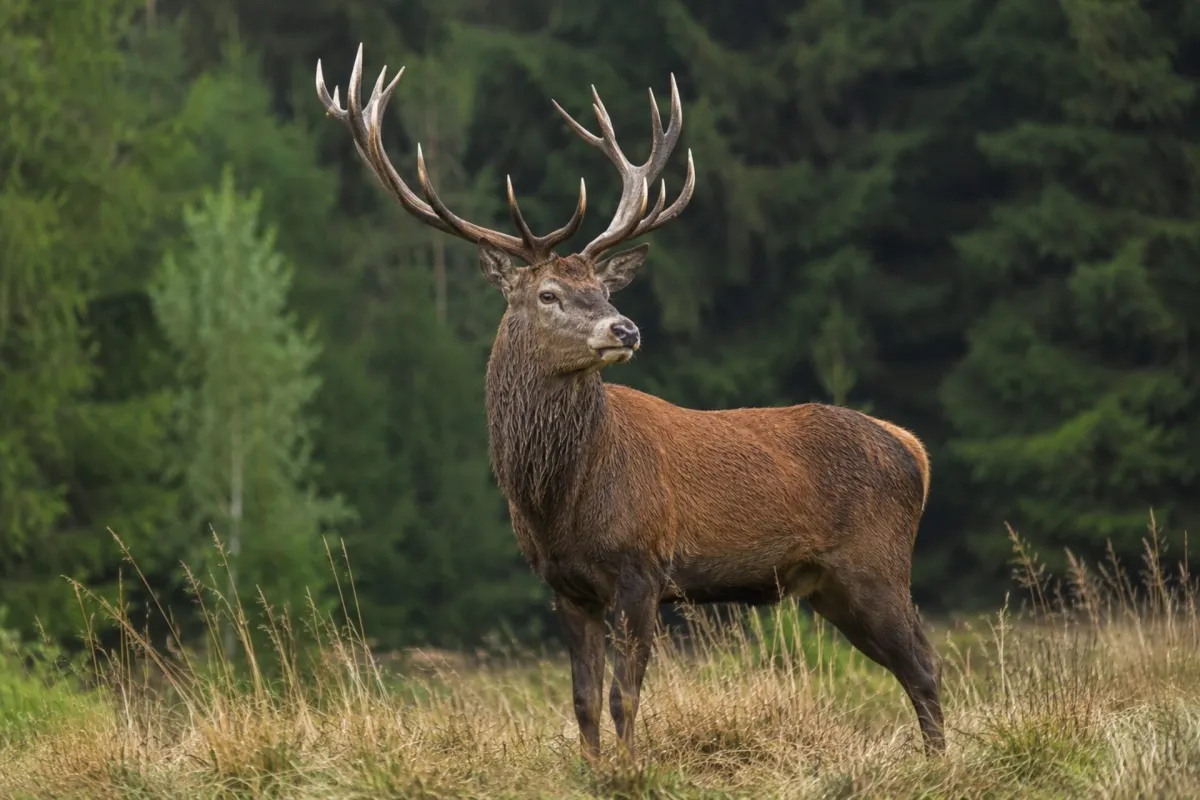
Carpathian red deer belong to the eastern European stock sometimes described as Cervus elaphus montanus, the largest-bodied red deer in Europe. Antler mass scales with body mass and with age: a 250 kg Carpathian stag at nine or ten years old has both the frame and the time to grow what a 100 kg island stag never can. The lightly hunted post-2016 population has also skewed older, which is the single most important variable for antler weight.
2. Altitude, minerals and the roar
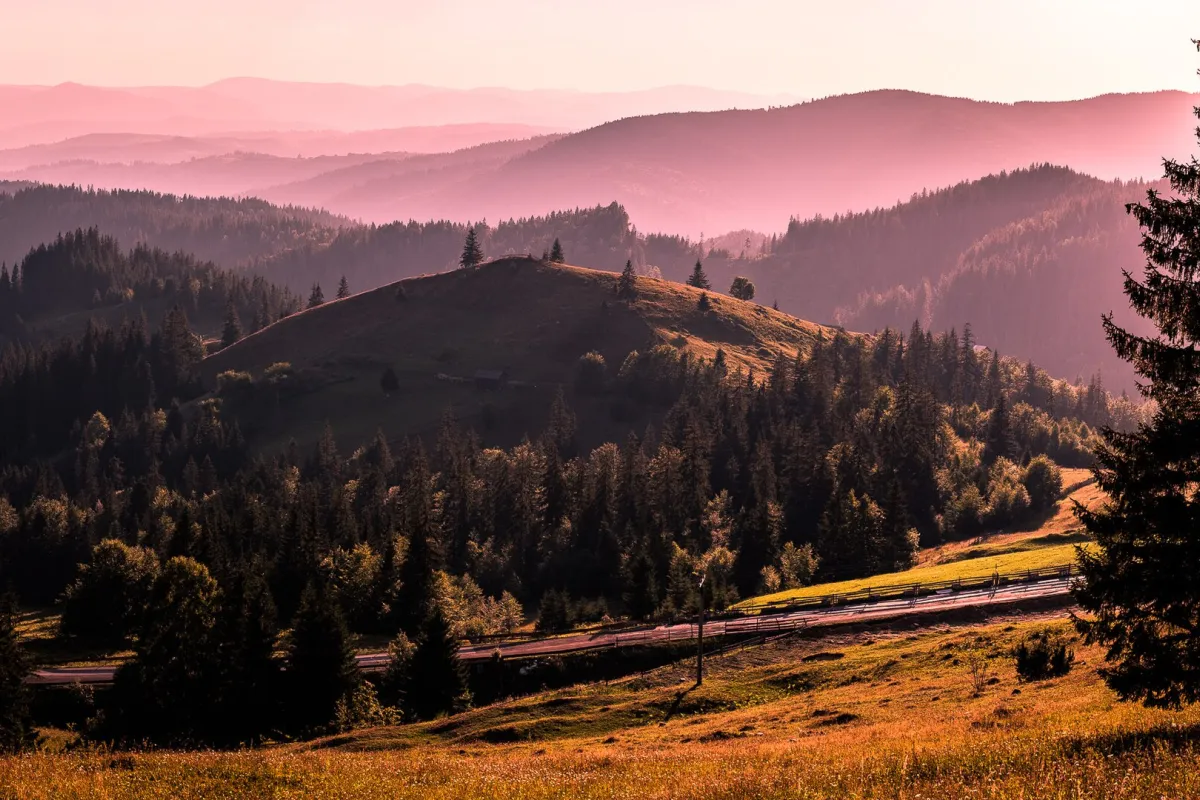
Carpathian stags summer above the tree line on alpine meadows and winter in beech and oak forest below 1,000 m. That vertical range gives them mineral-rich mountain forage in the antler-growing months and mast – beech nuts and acorns – to build fat before the rut. The rut itself, in the second and third weeks of September, is fought out on high meadows where stags roar from 1,500 m ridges; sound carries, rivals gather, and selection for size is intense. The Maramureș rut runs later and longer because the cold arrives later, which is why the north produces so many of the heaviest heads.
3. A century of forest policy
The heads were not an accident. Under the Habsburgs, Transylvanian and Bukovinian forests were managed with Austro-Hungarian trophy culture and organised gamekeeping; after 1948 the Romanian state closed much of the Carpathian forest into hunting reserves, and – whatever else that era did – it kept the habitat intact and the age structure old. When Western Europe was fragmenting its forests, the Carpathians stayed as one of the continent’s last unbroken wildlife habitats, and the deer reflect it.
What it means when you choose
If the object is a representative stag and the roar, any Carpathian valley in the third week of September will give you a morning you will not forget, for a 3-day package of 1,420 EUR plus a trophy fee from 1,780 EUR. If the object is weight, ask about altitude: the heaviest heads come from the high forests of Maramureș, Bucovina and the Gorj mountains, and we work the altitude to the size you are after. Either way, bring a flat-shooting calibre for 150–250 m ridge shots, 8×42 binoculars, and the patience to let a 9 kg stag walk on the first morning.
QUESTIONS