
TROPHIES
CIC scoring explained: how trophies are measured and what a medal costs
Every Romanian trophy fee refers to a measurement. This is what the measurers do, what the numbers mean, and where the medal lines fall.
Romania Hunting3 min read
What the CIC actually is
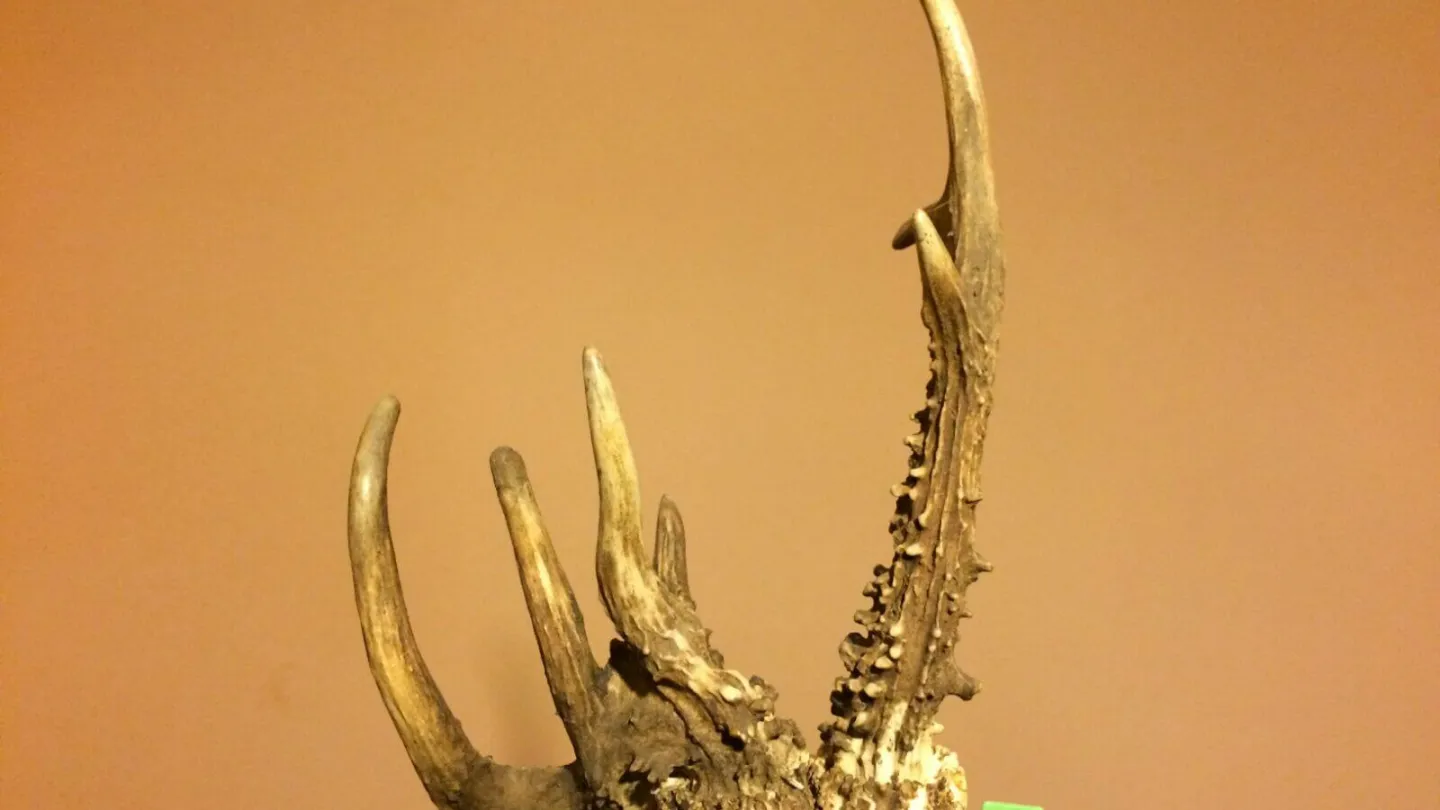
The CIC – Conseil International de la Chasse et de la Conservation du Gibier – is the Budapest-based body whose trophy-evaluation formulas have been the European standard since the 1930s. A CIC score is not a beauty contest: for each species there is a fixed set of measurements (lengths, circumferences, spans, weights) each multiplied by a coefficient, plus or minus a few “beauty points” for colour, pearling and symmetry. Add them up and you have a number that can be compared across countries and decades. Bronze, silver and gold medals are fixed thresholds on that number.
In Romania the measurement is done by a district committee of authorised evaluators, in the hunter’s presence, and recorded in the closing protocol you sign. Disputes go to the National Committee for Evaluating Hunted Trophies, whose decision is final. That protocol is also the document the trophy travels home with.
Medal thresholds by species
| Species | Measured by | Bronze | Silver | Gold |
|---|---|---|---|---|
| Red deer | CIC points (beam length, circumferences, tine count, weight, span, beauty points) | 170 | 190 | 210 |
| Roe deer | CIC points (length, weight, volume, span, beauty points) | 105 | 115 | 130 |
| Wild boar | CIC points (lower tusk length and width, upper tusk circumference) | 110 | 115 | 120 |
| Chamois | CIC points (horn length, height, circumference, span, age) | 100 | 105 | 110 |
| Mouflon | CIC points (horn length, circumferences, span, beauty points) | 185 | 195 | 205 |
| Fallow deer | CIC points (beam and palm measurements, weight, beauty points) | 160 | 170 | 180 |
| Brown bear | Pelt (length × width) or skull, by national practice | Romanian bears are scored on the pelt; the record heads from the Carpathians sit far above 400 points | ||
Two Romanian habits to know. Red deer and roe trophy fees are quoted by antler weight (kilograms for stags, grams for roe) because weight can be read on a scale at the lodge the same evening, while the full CIC score needs the antlers dried for ninety days. Boar fees are quoted by lower-tusk length in centimetres for the same reason. The CIC medal is still awarded on the full score later; the fee is settled on the field measurement.
What each class costs on our tables
Translating the classes into money, using our published tables:
- Red deer – a bronze-class stag typically weighs 7–8 kg dry (1,950 EUR base), silver 8–9.5 kg (2,700–3,500 EUR), gold from around 10 kg (4,500 EUR and up, 8,950 EUR over 11.5 kg).
- Roe deer – bronze usually starts around 350–400 g (450 EUR), silver 400–450 g (700 EUR), gold from roughly 450–500 g (1,150–1,750 EUR).
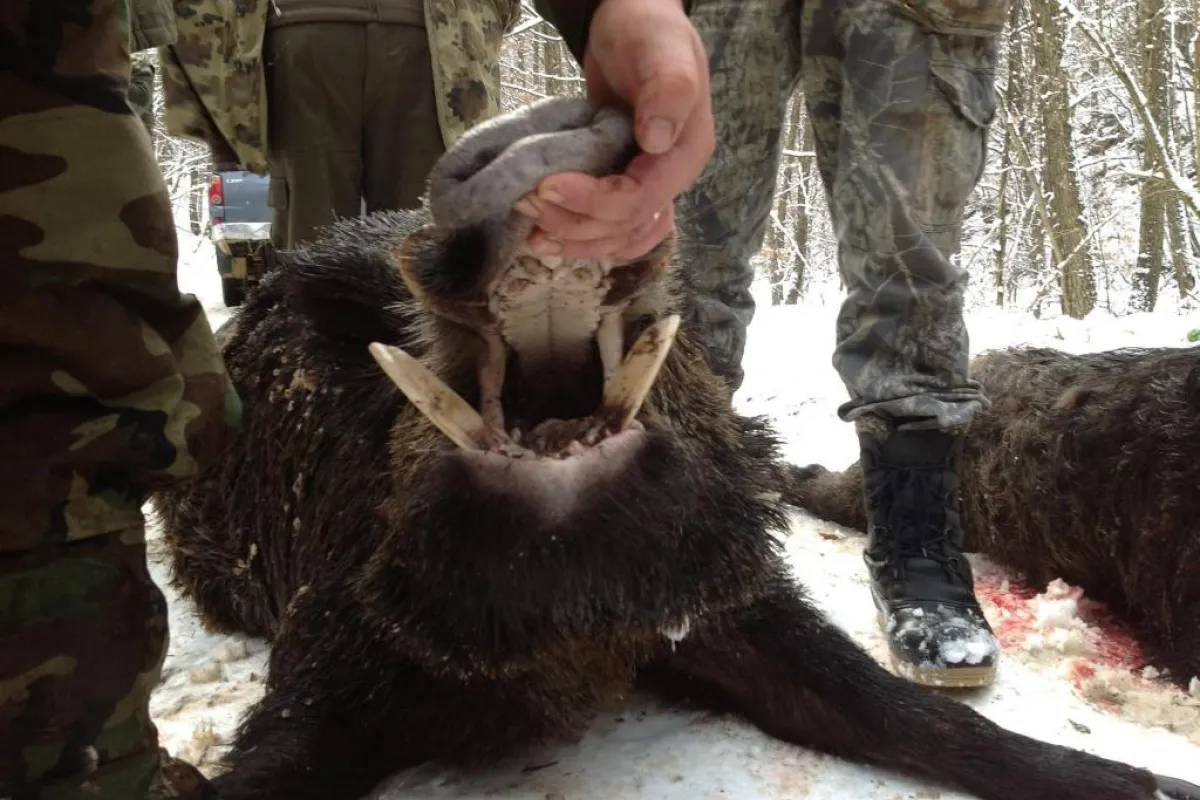
- Wild boar – a bronze keiler carries tusks of about 16–18 cm (750 EUR), silver 18–20 cm (1,150 EUR), gold 20 cm and over (1,450–1,500 EUR plus 18 EUR per millimetre beyond 22).
- Chamois – bronze 100–105 points (1,950 EUR bracket), silver 105–110 (2,550 EUR), gold 110 and over (3,150–4,950 EUR).
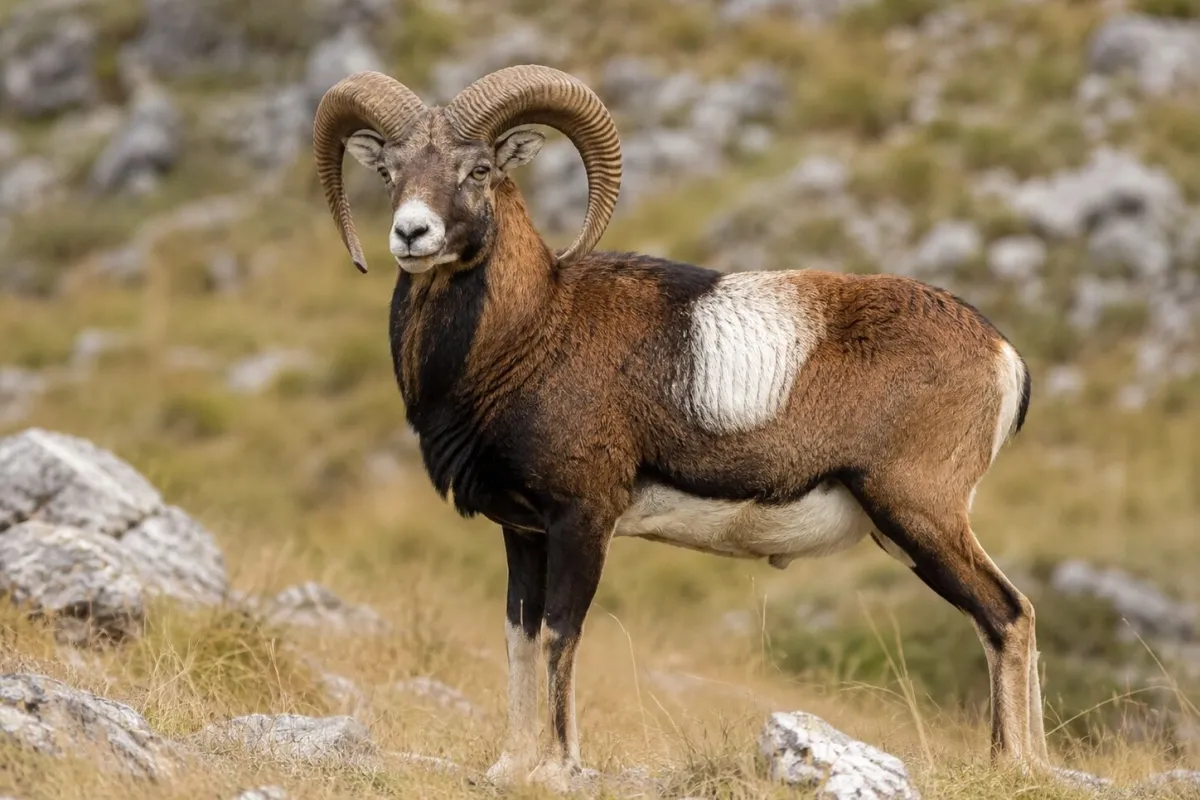
- Mouflon – our brackets follow the medals directly: bronze 1,100 EUR, silver 1,900 EUR, gold 2,900 EUR plus 90 EUR per point above 236.
The weight-to-medal conversions are rules of thumb – a heavy, short-tined stag can weigh gold and score silver – which is exactly why the fee follows the scale and the medal follows the committee.
Penalties and the “bizarre” fee
Every Romanian tariff carries three lines hunters from other countries find unfamiliar. A missed-shot penalty (100–300 EUR depending on species) reflects the guide’s day and the disturbance to the ground. A wounded-and-not-recovered charge (200 EUR for roe, 1,500 EUR for red deer and chamois, 4,000 EUR for bear) is the trophy fee for an animal the hunter did not get to keep – the strongest incentive in the system to wait for the right shot. And on chamois, mouflon and red deer a fixed abnormal-trophy fee of 1,500 EUR replaces the scale for malformed heads, which some collectors seek out precisely because they are rare.
QUESTIONS
Frequently asked
What is a gold medal red deer in CIC points?
Why does Romania price stags by antler weight?
Who measures the trophy?
What does a missed shot cost?
Every table, every bracket
Each hunt page carries its full trophy-fee table under the packages.