
AFTER THE HUNT
Getting your trophy home from Romania
The hunt ends with a signed protocol. Between that and your wall there are three documents, one customs desk and a choice about taxidermy. Here is the whole route.
Romania Hunting3 min read
The three documents Romania issues
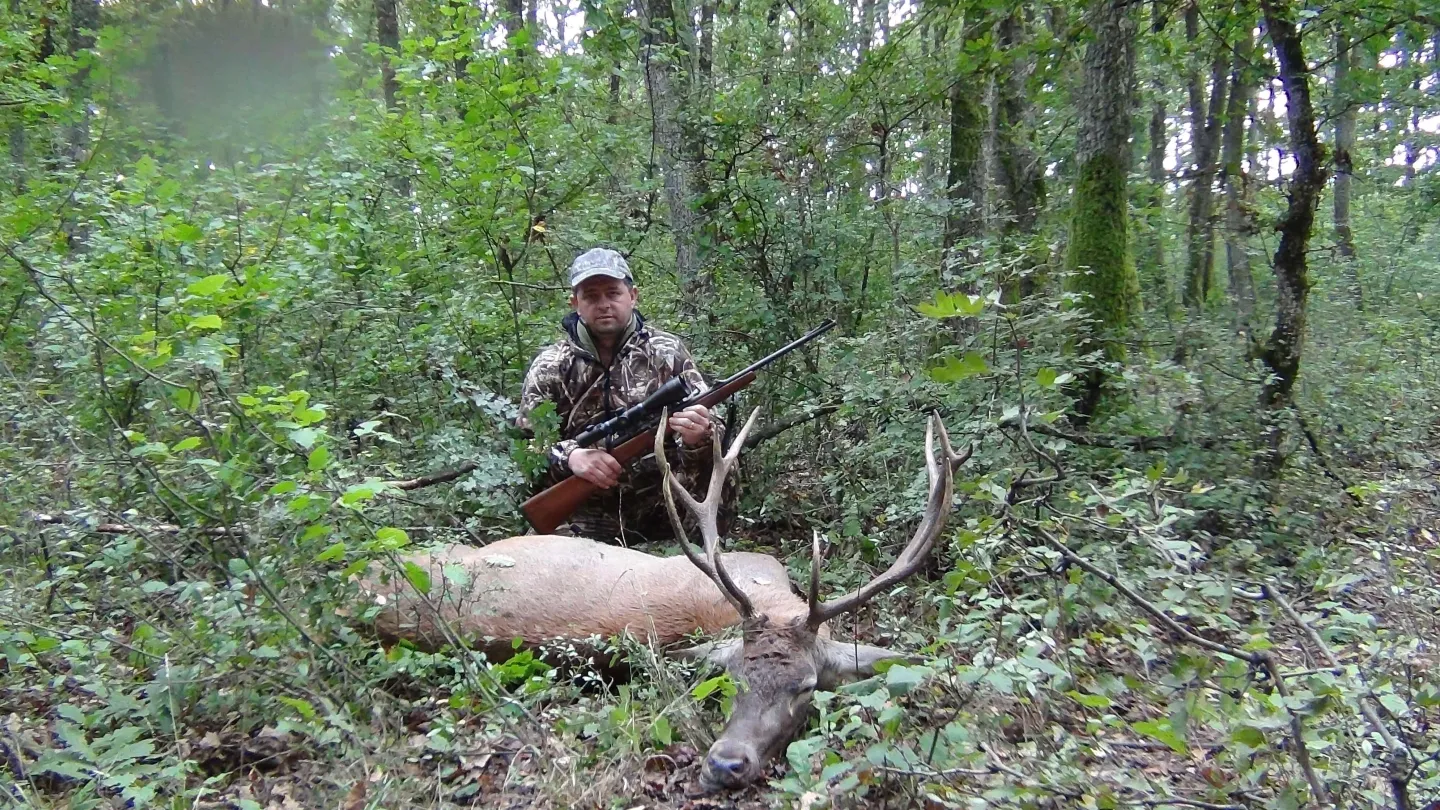
Every trophy leaves Romania with paperwork we obtain from the authorities on your behalf. The closing protocol from the measuring committee proves legal origin – species, date, hunting ground, measurement. The sanitary-veterinary certificate from the county veterinary authority attests that the trophy has been prepared (boiled, cleaned, dried) and is safe to move; the EU animal-health rules treat cleaned skulls and antlers differently from raw hides, so preparation is not cosmetic. And for the species that need it – bear, wolf, lynx – a CITES export licence: Annex B for bear, Annex A for wolf and lynx. The trophy is released only with these documents and after all charges are settled.
EU hunters: the simple case
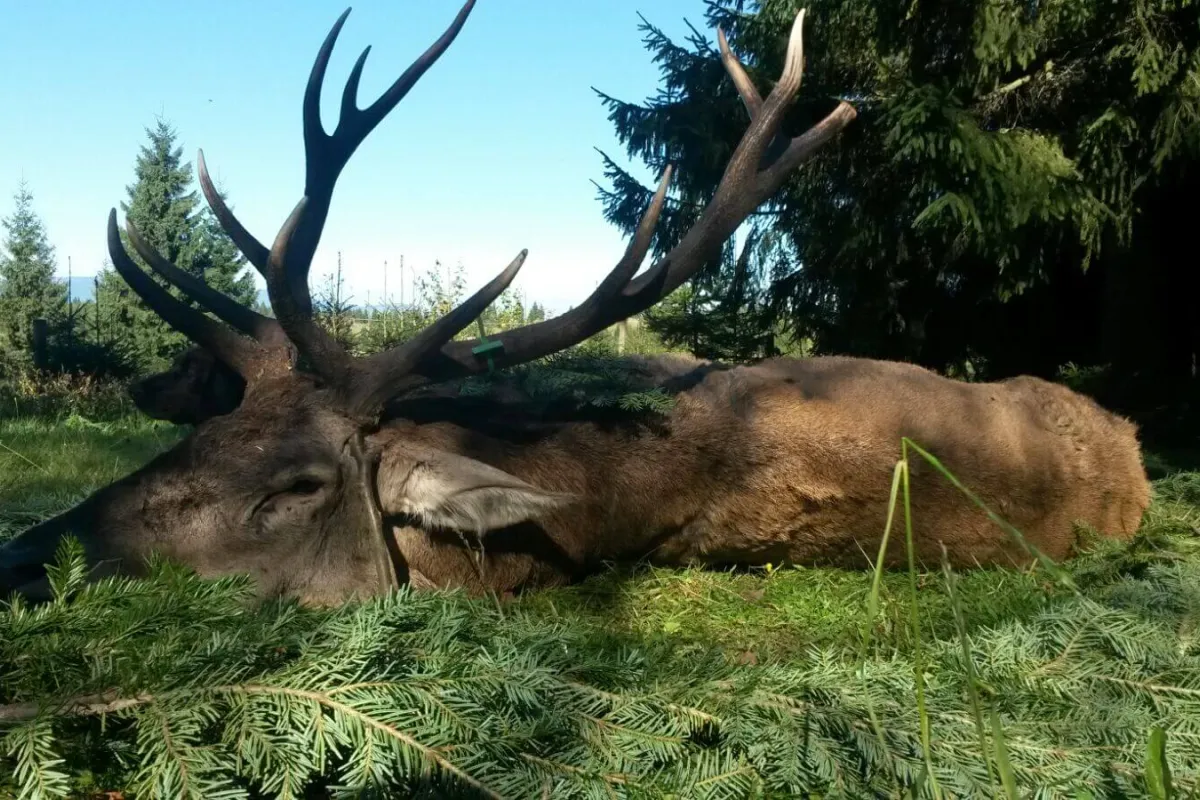
Inside the single market there is no customs border for a legally obtained trophy travelling with its owner. Antlers, skulls and prepared skins move on the protocol and the veterinary certificate; a bear or wolf trophy travels on the CITES export licence, which for movement within the EU is normally sufficient without a separate import permit. Pack the certificate with the trophy, not in your suitcase – it is the trophy that gets asked, not you.
Non-EU hunters: UK, US, Switzerland
Leaving the EU the trophy becomes an import at your end. British hunters need the Romanian veterinary certificate and, for bear, a UK CITES import permit from APHA obtained before the trophy ships. American hunters need the US Fish and Wildlife Service declaration (Form 3-177) on arrival and, for bear, a CITES import permit; non-CITES trophies like red deer antlers clear on the veterinary certificate and the declaration. Swiss hunters clear at the cantonal veterinary office on the Romanian certificate. In all cases the outfitter’s protocol is the document customs officers actually read, because it states legal origin in one page.
Taxidermy: here or at home?
Antlers on a skull plate or a European mount are prepared here in the days after the hunt (50 EUR on most species, 200 EUR on bear and lynx) and travel easily. Full shoulder mounts and rugs are a different decision: Romanian taxidermists are good and cheaper than Western European ones, but a finished mount is fragile and expensive to crate and ship, while a salted, dried cape or pelt (80–100 EUR on our tables) travels flat and is mounted at home by a taxidermist who knows your wall. Most clients take antlers and skulls home themselves and ship capes; most bear clients have the pelt tanned here and shipped.
Shipping a stag head
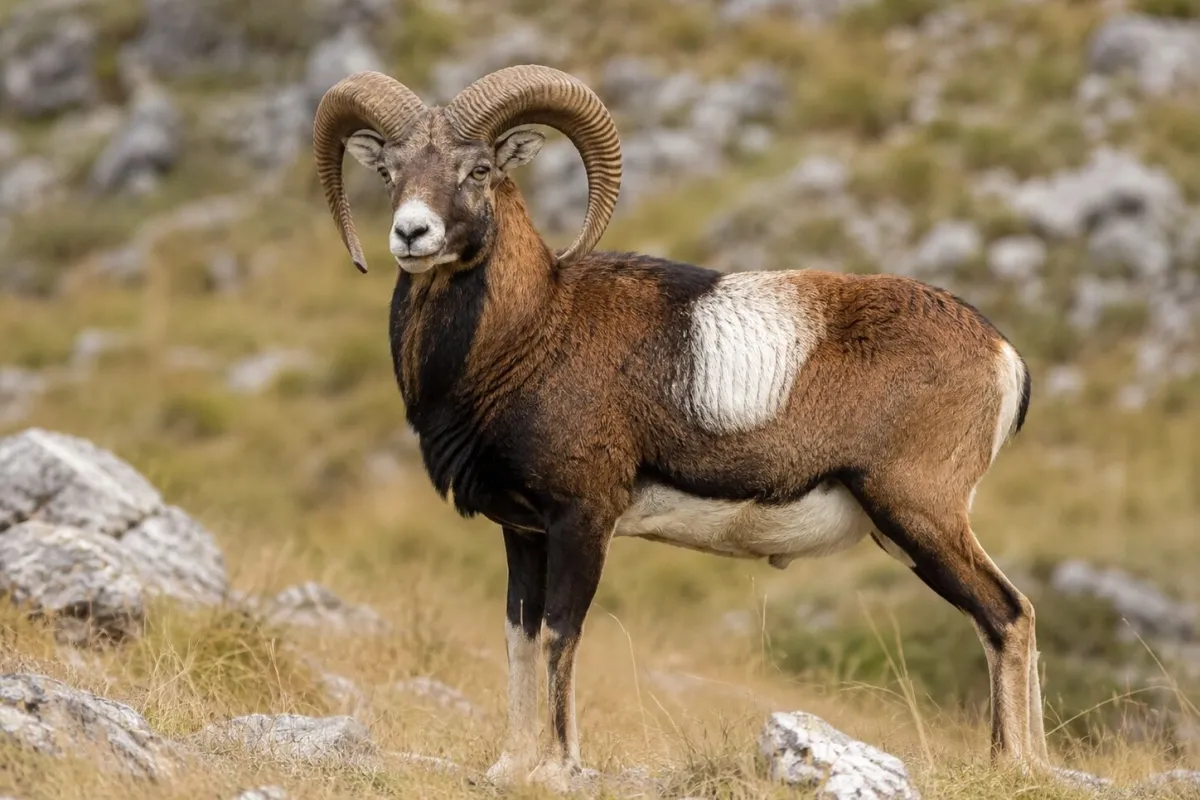
A 10 kg Carpathian head with skull plate is oversized baggage for most airlines and awkward on a connection. Options, in rising cost: take it as sports equipment in a custom foam-lined case (check the carrier’s policy on antlers – several require the tines wrapped and taped); ship by road with a hunting-trophy freight forwarder, who handles the veterinary paperwork at destination; or air freight for non-EU destinations, which needs a customs broker at your end. Budget roughly 150–400 EUR for road freight within the EU and considerably more for air freight to North America; we will get quotes for you once the trophy is measured.
QUESTIONS
Frequently asked
Do I need CITES for a red deer trophy from Romania?
Can I take antlers home in my luggage?
How long does trophy preparation take?
What does a bear trophy need to leave Romania?
We file the paperwork, you choose the wall
Trophy preparation, certificates and shipping quotes are part of every hunt.